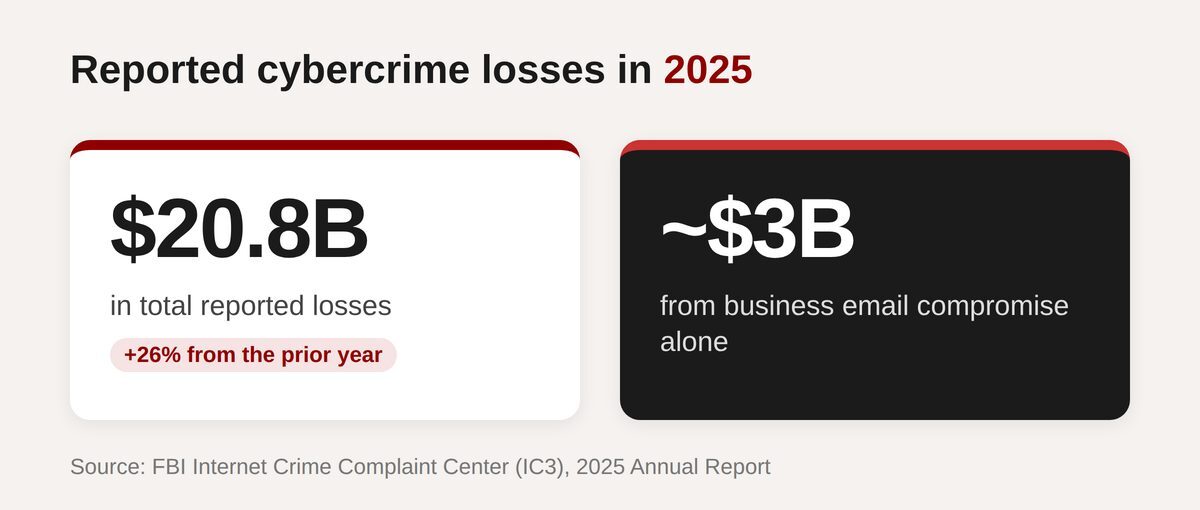
October is Cybersecurity Awareness Month, which means it’s a good time for IT administrators and MSPs to review their email defenses. Email is still one of the most common ways attackers get into an organization. As we noted in our MSP post below, the FBI's Internet Crime Complaint Center logged more than $20.8 billion in reported losses in 2025, and business email compromise alone accounted for roughly $3 billion of that total.
To help you get started, we've gathered our most useful recent posts on email security. They are grouped by the area of your environment they cover, so you can start wherever your biggest gap is.
Simply click on the title of each entry to jump to the content for that topic.
Start with the basics
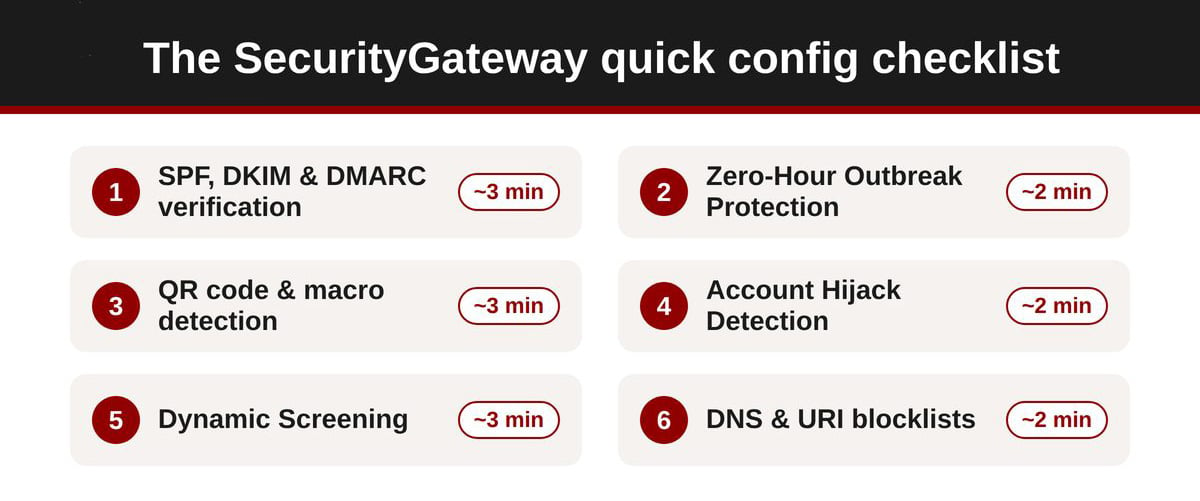
SecurityGateway Quick Config: Locking Down your Email in 15 Minutes
A checklist for the SecurityGateway settings that address the most common email security issues, including SPF, DKIM, and DMARC verification, Zero-Hour Outbreak Protection, QR code and macro detection, Account Hijack Detection, and Dynamic Screening.
MDaemon Email Server: Security Best Practices to Protect Your Email Environment
A summary of the recommended settings for MDaemon, from blocking open relays and enabling antivirus to using trusted hosts carefully and setting up email authentication.
Why You Can't Rely on Users to Keep Email Secure (2026 Update)
Generative AI now writes fluent, personalized phishing emails at almost no cost to attackers. This post explains why user training alone can't be your only defense, and what to put in place alongside it.
Strengthen email authentication
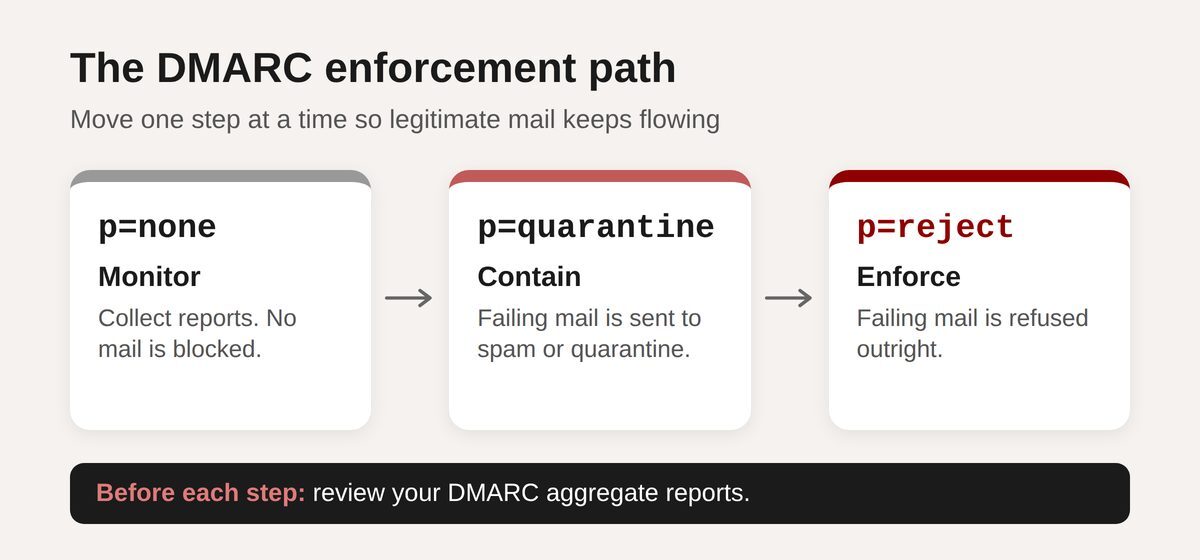
How to Move Your DMARC Policy from p=none to p=reject Without Breaking Mail
A step-by-step path to enforcement, so you can stop spoofing of your domain without blocking legitimate mail.
Email Authentication Basics: How to Read Your DMARC Aggregate Reports
Before you tighten your DMARC policy, you need to know what your reports are telling you. This post walks through reading them.
Why Messages That Fail SPF, DKIM, or DMARC Still Reach Inboxes, and How to Fix It in MDaemon
If authentication failures are still getting through, this post helps you find out why and explains how to adjust your MDaemon settings.
Stop phishing and malicious content
An overview of how SecurityGateway uses AI to classify inbound email.
SecurityGateway 12.5: A Refreshed Interface, Smarter Attachment Protection & More
The latest SecurityGateway release, including improvements to attachment protection.
Email Admin Tips: How to Protect MDaemon Users from Phishing
Practical settings for keeping phishing messages away from your MDaemon users.
How Secure Email Gateways Keep Malicious Content Out of Your Email Backups
Your backups are only as clean as the mail that goes into them. This post explains how filtering at the gateway protects your archives as well as your inboxes.
Protect data in transit
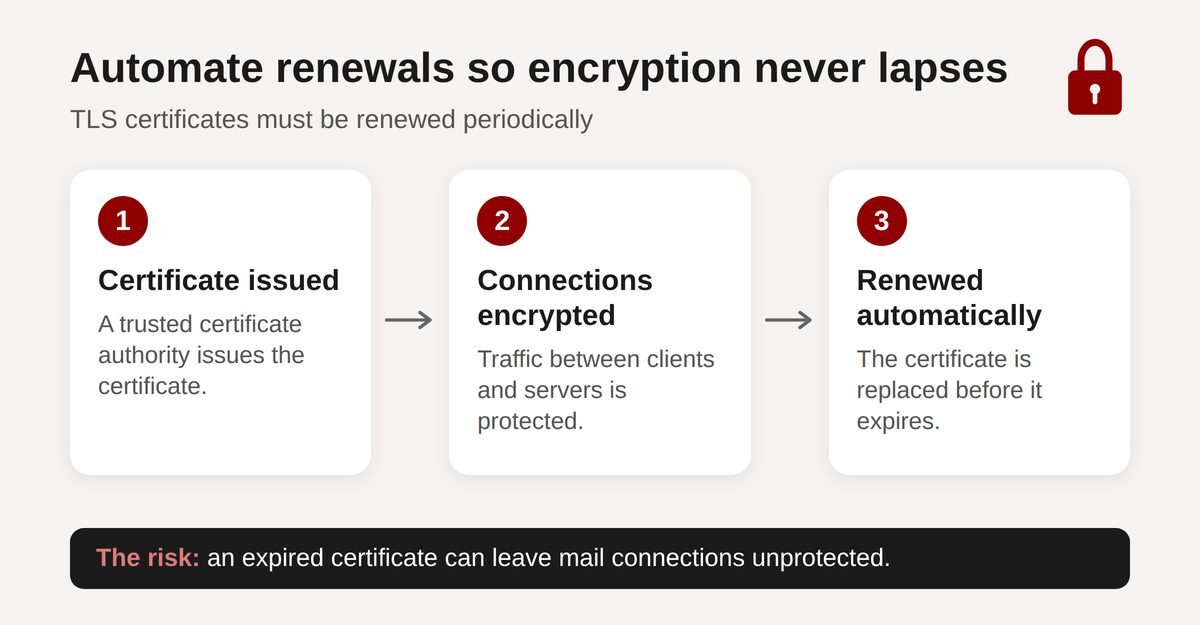
Why Automating TLS Certificate Renewals Is More Important Than Ever
TLS certificates must be renewed regularly to keep connections encrypted. This post makes the case for automating the process so an expired certificate never leaves mail unprotected.
Why Your Business Needs Email Encryption in 2026
Unencrypted data is an easy target. This post covers why encryption belongs in your email security plan this year.
For MSPs and security teams
How MSPs Can Have Greater Control Over Secure Email Gateways
When a client is hit by an attack, the MSP has to explain what happened and why the defenses did not hold. This post looks at how greater gateway control helps MSPs prevent that outcome.
Our two security white papers
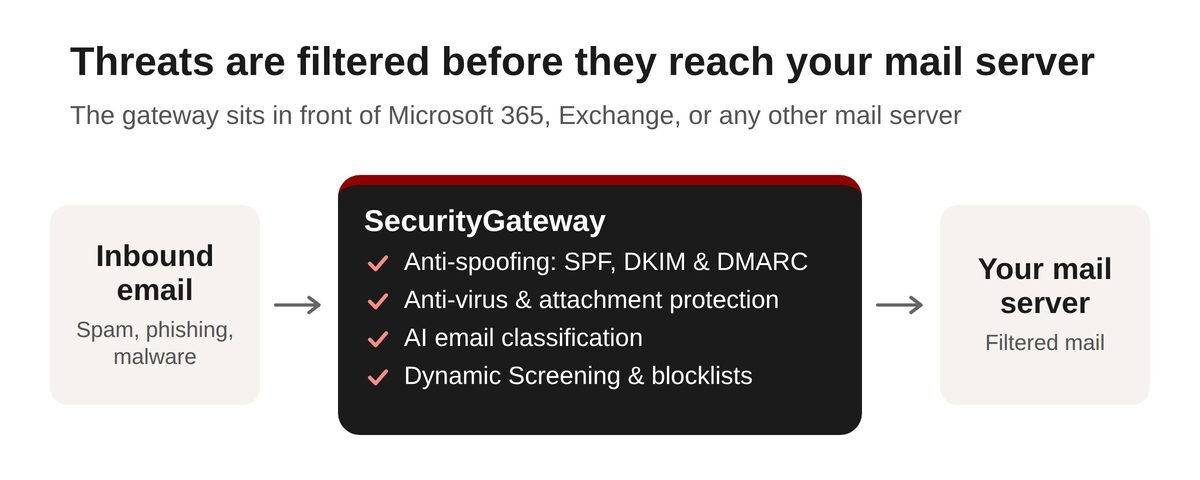
For a deeper look at our approach, read the post on our white paper, Email Security Without Compromise, which covers MDaemon's layered defense strategy. Then read the follow-up on how SecurityGateway intercepts threats at the gateway before they reach Microsoft 365, Microsoft Exchange, or any other mail server.
Put it into practice
Pick one post from the list above and make one change to your environment this week. If you want to try the MDaemon or SecurityGateway features discussed here, we offer a 30-day free trial.